
Gorton and Denton Update 1
There's somethin' happenin' here, what it is ain't exactly clear

Welcome to all the new readers who have signed up after reading last week’s guide to Gorton and Denton. I’m glad so many of you have found it useful. I have no SoundCloud but…Many of the trends we are seeing here - fragmentation, the rise of radical parties on the right and left, tactical voting potentially swinging the outcome - were already much in evidence at the 2024 general election, and in a fortuitous coincidence my co-authors and I have just released the definitive book on that election. Why not check it out?
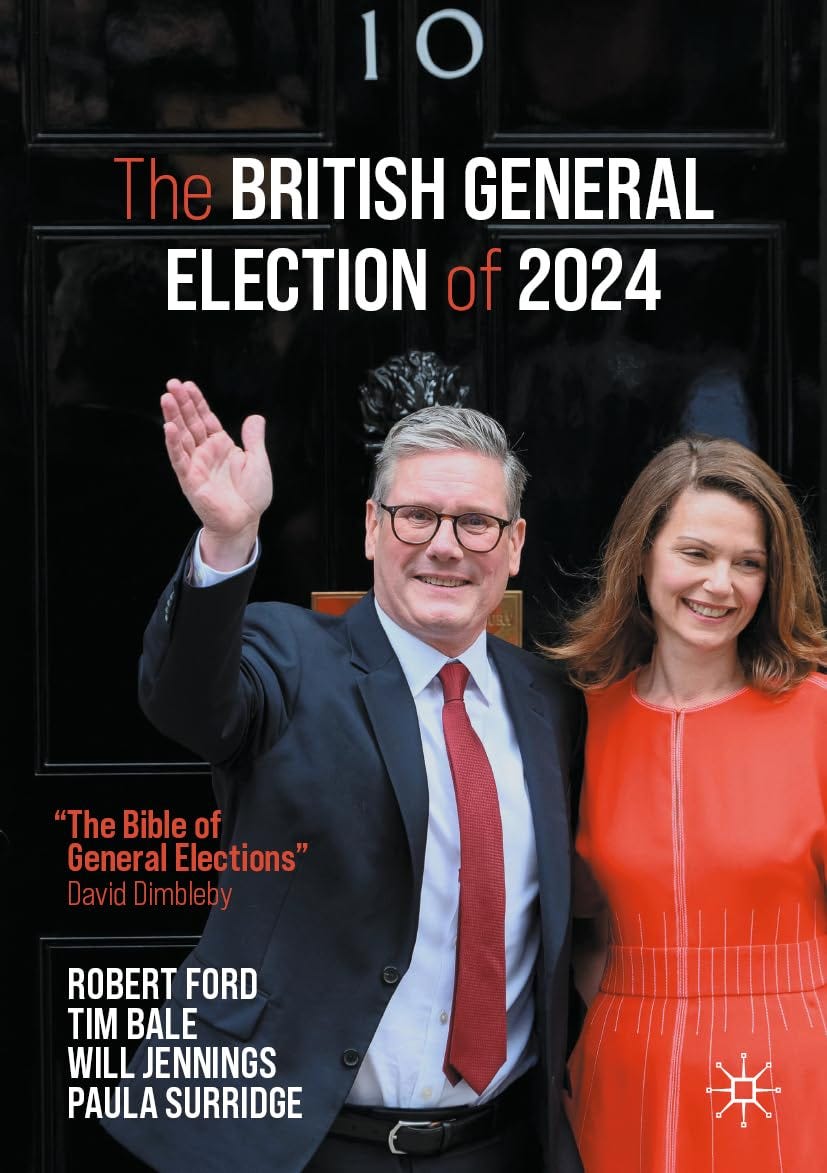
It’s a right riveting read
State of the race: Definitely Maybe
As an early adopter and huge fan of The Mill, Manchester’s best local newspaper, I was delighted to see my Substack guide feature in their typically outstanding profile of the seat, written by Jack Walton. If you haven’t read it, then do check it out - it is full of local colour on “one of the country’s strangest constituencies”.
One detail caught my eye though. The Mill say I am “leaning Green”. That also chimes with what a few people on social media discussing my piece have said, but it wasn’t the position I intended to convey. I did say that a Green route to victory looked “more straightforward” in terms of both the seat’s demographics and the national political context, but perhaps I should have emphasised more that these aren’t the only factors in play - local history, local organisation, candidates and campaigns all matter.
Could favourable demographics and an anti-government mood power the Greens to victory here? Perhaps. Could stronger local loyalties and organisation enable Labour to hold on against the national tide? Perhaps. Could an even split on the left and a strong national polling position deliver the seat to Reform despite unfavourable demographics? Perhaps.
Perhaps. Perhaps. Perhaps. This is a fragmented contest in a fragmented seat. The only thing I lean towards here is uncertainty. Three parties could win, and each can tell a plausible story now about how they might do it. And other contenders, though unlikely to win themselves, could yet tip the balance. Anyone telling you they know for sure who will win this election is kidding themselves or lying. At least we now know who is standing, as nominations for the seat closed at 4pm on Tuesday.
A local race for local people: The candidates
Reform: Matt the Pizza Delivery Boy Reform got a jump on the other parties by selecting Matthew Goodwin as their candidate almost immediately after the by-election was announced. Goodwin has been eager to play up his links to Manchester, where he went to university and worked, and to Gorton and Denton, where he delivered pizzas as a student, apparently. His opponents, keen to paint him as a Southern carpetbagger, have pointed to a Southern childhood, a Southern accent, a London media job and more than a decade living and working in London and the South East.
All par for the course. One of the most consistent findings in research on candidates is that both party members and voters value local roots more than practically anything else, an effect which has been growing. As voters lose faith in national politics, credentials as a local champion loom ever larger.
Scenes from a selection hustings, probably
Thus it was no shock that when Labour and the Greens picked their candidates over the weekend, both chose someone with strong Manchester links, though perhaps a surprise that neither picked a contender with roots in this seat specifically.
The Greens: Hannah the Plumber The Greens picked Hannah Spencer, a Trafford councillor since 2023, and leader of the Green council group there. Hale is a very wealthy, very white, very middle class, and very graduate heavy ward right on the suburban fringe of Greater Manchester, and was a deep blue Tory area before the Greens took advantage of national Conservative troubles to take it. This doesn’t mean Spencer herself is wealthy or posh - she has heavily emphasised her working class credentials as a plumber who left school at 16, and has mocked claims from Reform supporters on social media that she has a millionaire husband. But it does mean Spencer’s existing local elections experience may not be great training for campaigning in a very different context. Gorton and Denton may be a seat of two halves, but Hale isn’t like either.
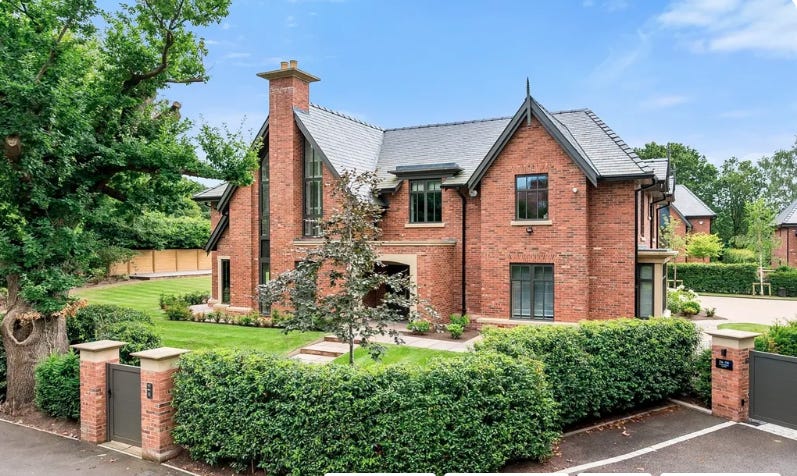
A house in Hale - yours for £3,000,000
Spencer may not be based near Gorton but she does have some experience campaigning across Greater Manchester, having stood as the Green candidate for Mayor in 2024, when she won 6.9%, the Greens’ best result yet, posting over 10% in Manchester council area and over 8% in Tameside. This was, however, only enough for fifth place in a field of six, behind the Conservatives, Reform and one of the other candidates now standing in this contest.
Labour: Angeliki the Local Girl Given a shortlist of two, Labour members chose the more local option picking Manchester city councillor Angeliki Stogia over Bury council leader Eamonn O’Brien. Stogia has represented Labour since 2012 in Whalley Range, which is a short walk west from the Manchester parts of the constituency. She has won between 60 and 70% of the ward vote in each of her elections, though her arrival in the ward coincided with a long stretch of Labour dominance in this part of Manchester.
The Greek-born Stogia can certainly point to deep roots in the city where she has lived since arriving as a student 30 years ago, and knowledge of the local area, having represented a nearby South Manchester ward with similar demographics to the Manchester bits of Gorton and Denton for 14 years.1 She also has experience competing against the Greens, who have been the main local competition in her ward in the last two election cycles. And she has experience of a Westminster campaign, having stood for Labour in Chester South and Eddisbury, where she achieved a near 16 point swing from the Tories, who narrowly held the seat. But Stogia has never run in a truly competitive race before, has no experience campaigning against Reform, and has never contested heavily white, working class areas like the Denton wards of this seat.
Workers Party: Sitting Out Last week I said the Workers’ Party of Britain (WPB) were the potential wildcards in the seat, standing Longsight council and local election giant killer Shabhaz Sarwar, someone who might split off a chunk of the Muslim vote, dividing the larger left bloc and potentially opening a path for Reform. This proved premature, as the WPB first withdrew their candidate, then announced they were standing down in the seat, with a statement which seemed to implicitly endorse the Greens “This decision is taken in the best interests of the working-class. Labour and Reform must lose.”
This reminded me of the decision by another populist mischief maker in 2019, when Nigel Farage stood down most of his Brexit Party candidates and implicitly endorsed Boris Johnson’s Conservatives. Farage feared he would be blamed if a split right vote enabled dozens of anti-Brexit Lib Dems to be elected (as indeed happened in 2024). George Galloway may similarly worry about being blamed for splitting the Muslim vote and facilitating the election of Reform’s Matthew Goodwin.
The Greens and Labour both opted for local councillors with deep Manchester roots but little national profile, while Reform picked a national media figure who despite his best efforts could claim only a limited link to the city. Still, Reform’s Matthew Goodwin could at least take comfort in having a clear run at the right vote, without having to worry about other right wing parties fielding candidates with stronger local or electoral credentials.

Revolts on the Right? Or so he thought. Reform’s hopes of a clear field on the right have taken some knocks. The Conservatives picked Charlotte Caddon, a police officer who worked for many years with Greater Manchester police, and who has strong views on grooming gangs and single-sex spaces, two of Matthew Goodwin’s favourite culture war talking points on GB News and Substack.
Then Advance UK, the far right splinter party founded by former Reform UK deputy leader Ben Habib, went one better by putting up Nick Buckley as their candidate. Though he is running for an obscure splinter group, Buckley is no political novice, and can claim arguably stronger local credentials than any other candidate in the race, having grown up in Longsight and been awarded an MBE for his many years charitable work helping the homeless in Manchester. He has twice stood as a Mayoral candidate, winning 2.7% of the vote as the Reform candidate in 2021 and finishing third (ahead of his former party) with 7.6% standing as an independent in 2024 (he polled poorly in Manchester itself, but won 8% in Tameside).
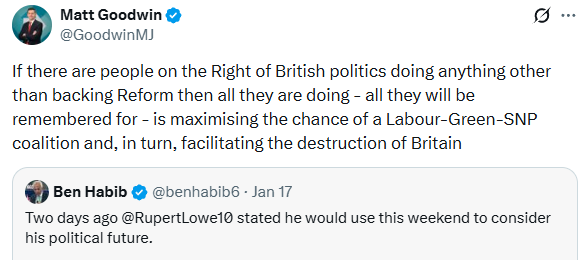
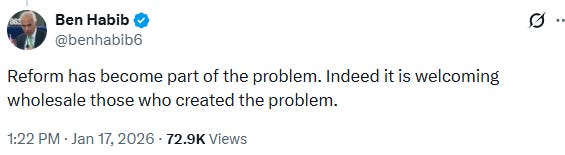
Buckley, though unlikely to win, poses a major headache for Reform: a candidate with the same political offer as Matthew Goodwin but with stronger local credentials and electoral experience. One person well aware of the dangers of a split on the right is Goodwin himself - just two weeks ago he attacked Advance leader Ben Habib as a splitter on Twitter, saying “people on the Right of British politics” doing anything other than backing Reform” were “facilitating the destruction of Britain.” Habib replied “Reform has become part of the problem.” Goodwin may come to regret these online spats with Habib if Advance takes votes Reform can ill afford to lose.
Best of the rest By elections typically attract a menagerie of fringe parties, campaigners and novelty candidates. This one is no exception. Rounding out the right wing roster are the SDP (yes, that SDP) who these days offer a brand of politics similar to Reform2 and the Libertarian party.3 On the left, we have the Liberal Democrats, once strong in this area but now likely to be squeezed4, and Rejoin EU, whose campaign to rejoin the EU is unlikely to be helped by a Reform victory here.5 And, of course, we have the Official Monster Raving Loony Party, who are standing Sir Oink A-Lot.6
Some might say: Polling spats and dodgy bar charts
An uncertain by-election is a pollster’s nightmare and a leaflet printer’s dream come true. We are just one week into this campaign and already we have had a major row over a dodgy constituency poll, while the two parties duking it out for the “anti-Reform” mantle have already pumped the seat full of dodgy bar-charts.
The first constituency poll of Gorton and Denton, conducted by FindOutNow, proved tan object lesson in how not to go about the tricky work of seat polling, adding no light but plenty of heat. The poll had a tiny sample size, and when don’t knows and abstainers were excluded the results were based on the vote intentions of 51 people. A poll with a sample size no larger than a small house party is not a poll you should take seriously.
To make matters worse, it emerged that the poll, heavily touted by Labour as demonstrating they were the clear ‘stop Reform’ choice in Gorton, had allegedly been funded by a wealthy Labour donor. The whole row prompted a mea culpa from the pollster, who claimed the poll was privately commissioned and was never intended to be published. But with the results circulating all over the internet, the damage was already done.
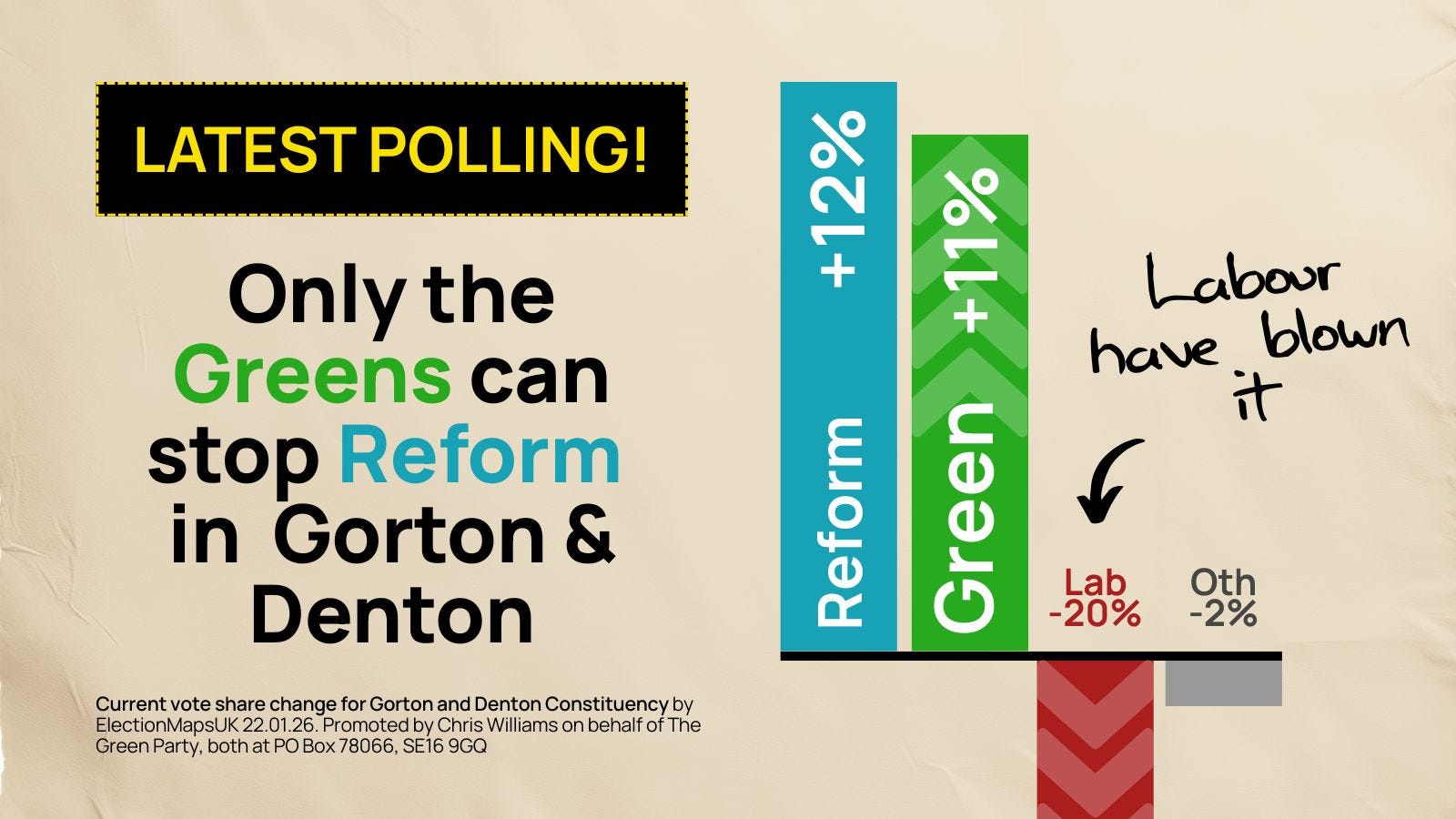
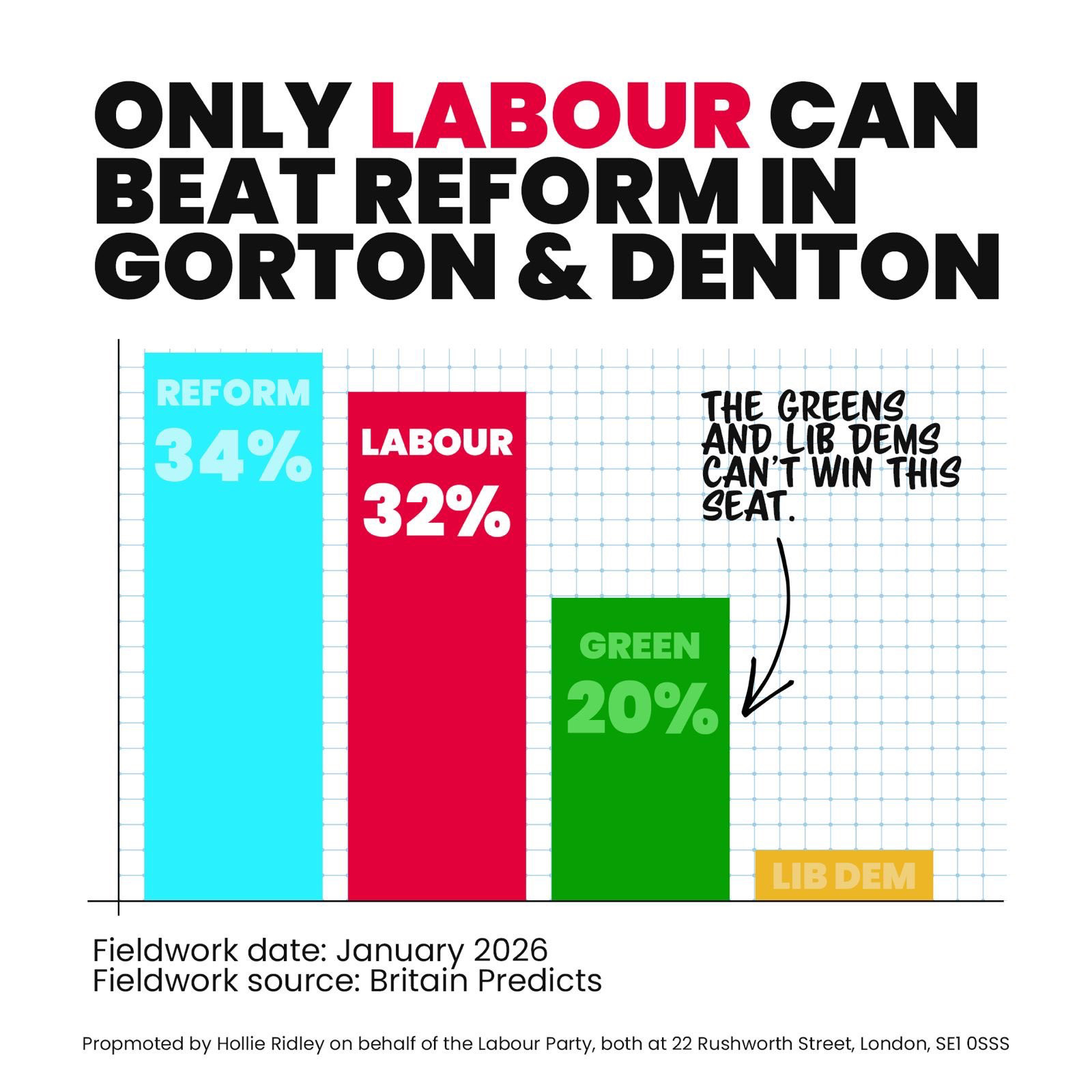
But neither Labour nor the Greens need polling to inform confuse the electorate about the local stakes. Both parties have already been pumping out dodgy bar charts making claims about the state of the race on the seat which, despite appearances, aren’t based on polling at all.
The Greens leaflet - headlined “Latest Polling!” - doesn’t even present vote shares (presumably because those would show them in third) but changes in the vote on 2024, showing the Greens and Reform up and Labour falling off the end of the graph. Aside from making it all but impossible for a voter to figure out who is actually ahead (if the Greens were up 11% on 2% and Labour were down 20% on 70% then these changes would not produce a close race), this graph isn’t, despite its title, polling at all. As the small print reveals, these figures come from a statistical model, a model which makes various assumptions we can be pretty confident will not hold. It is, in short, useless at best, actively misleading at worst.
This is confusion…
This isn’t polling
…am I confusing you?
This isn’t polling either
The Greens can at least claim they are not alone in torturing statistical models to muddle voters. Labour have also put out a dodgy bar chart graphic - one so familiar in format I wonder if the Lib Dems might consider a plagiarism case - claiming “only Labour can beat Reform”. This is based on a similar statistical model as the Greens’ graphic, thus providing a nice illustration of how the same data can, with a little imagination, be encouraged to tell quite different stories. All this provides a useful case study in the abuse of graphs for my future statistical methods classes but is not much help for a Gorton & Denton voter seeking to understand the state of the race.
In the last couple of days, the Reform and Green campaigns have added further to the psephological fog of war by sharing exclusive “private polling” or “canvassing analysis” with friendly/credulous journalists. By a remarkable coincidence, this information, which we cannot assess, conveys exactly the message each party wants to promote in the seat…so the Reform “private polling” shows them ahead, and the Greens’ canvassing analysis shows them in clear second place, but unable to win without squeezing the Labour vote. All of which serves to illustrate why polling, for all its flaws, is a valuable resource. When reliable polling is unavailable, what fills the gap is often worse.7
Gorton ward: The hinge of the race?
The excellent Ben Walker of BritainElects and the New Statesman has also produced a profile of Gorton and Denton, which I encourage you to read. One claim Ben made which puzzled me slightly was this - “Denton has almost almost 50 per cent of the seat’s potential voters, but in local elections counts for just 30 per cent of turnout.” Is low turnout the reason Denton is the lighter half of this seat?
Tameside wards, and Tameside wards plus Gorton & Abbey Hey ward, as share of population, registered electors and votes (2024 & 2023)
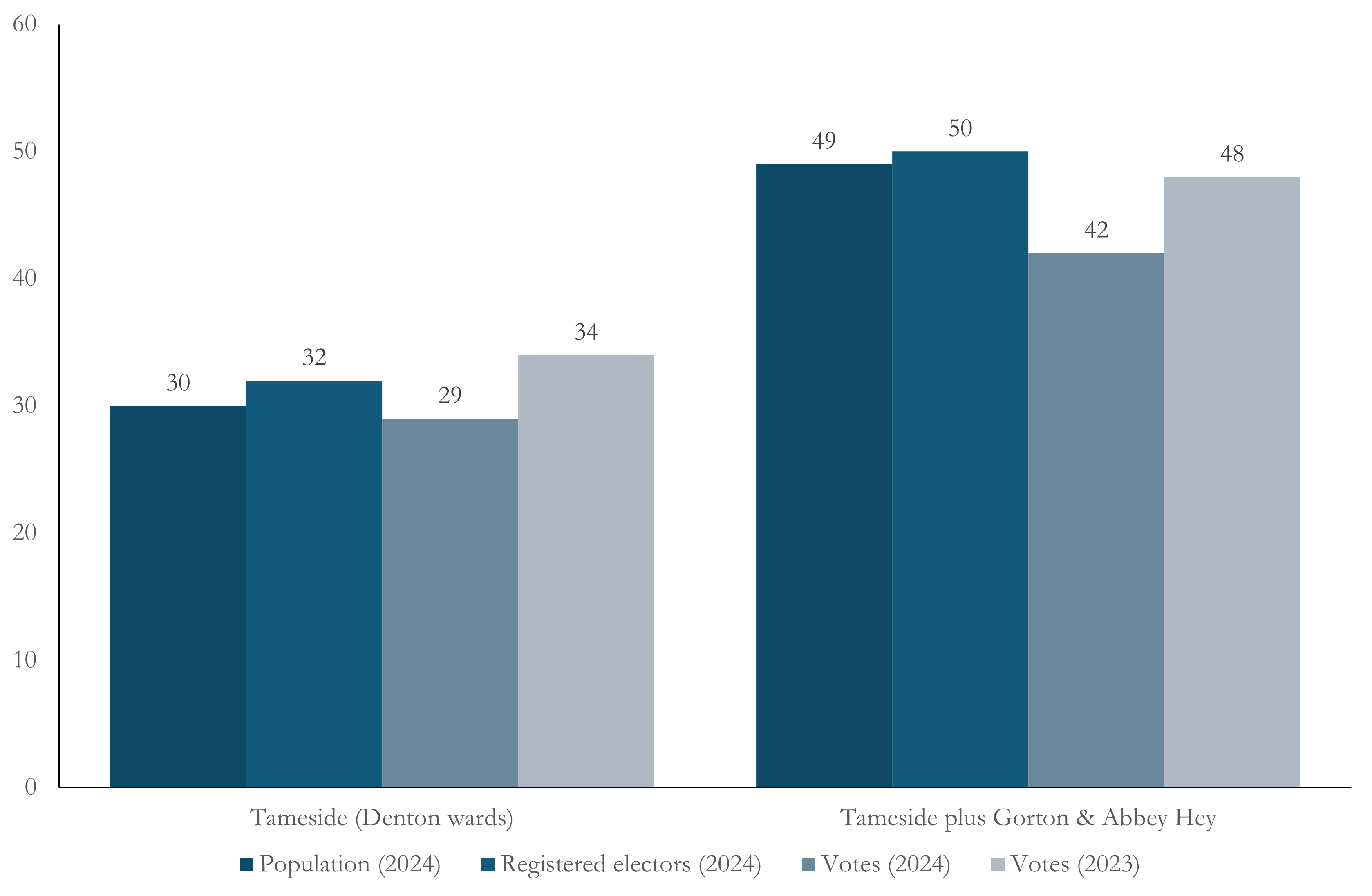
Not as far as I can see. The three Denton wards on Tameside council are 30% of the 2024 population of this seat, and 32% of the 2024 registered electors - which is the ‘potential vote’ in any election. Denton really doesn’t punch much below its weight in recent elections - the turnout here is pretty similar to the Manchester part of the seat, and Denton provided roughly a third of the votes cast in the two rounds of local elections since Tameside’s new ward boundaries were introduced.
However, I do wonder if Ben has perhaps bundled Gorton & Abbey Hey ward in with the three Denton wards - as the graph above shows, such a combination would make up about half the registered voters in 2024, but only 42% of the votes cast. This makes some sense. I myself pondered where to put Gorton and Abbey Hey ward when dividing up the seat. The three Denton wards are all quite similar, and while Longsight, Levenshulme and Burnage vary quite a lot economically, they all have large Muslim populations and lots of students. But Gorton and Abbey Hey, the ward which forms the hinge of the seat geographically, is also the hinge demographically - not fully Manchester but not fully Tameside either.
Demographics of the Tameside wards (blue), the Manchester wards (green) and Gorton & Abbey Hey (grey)
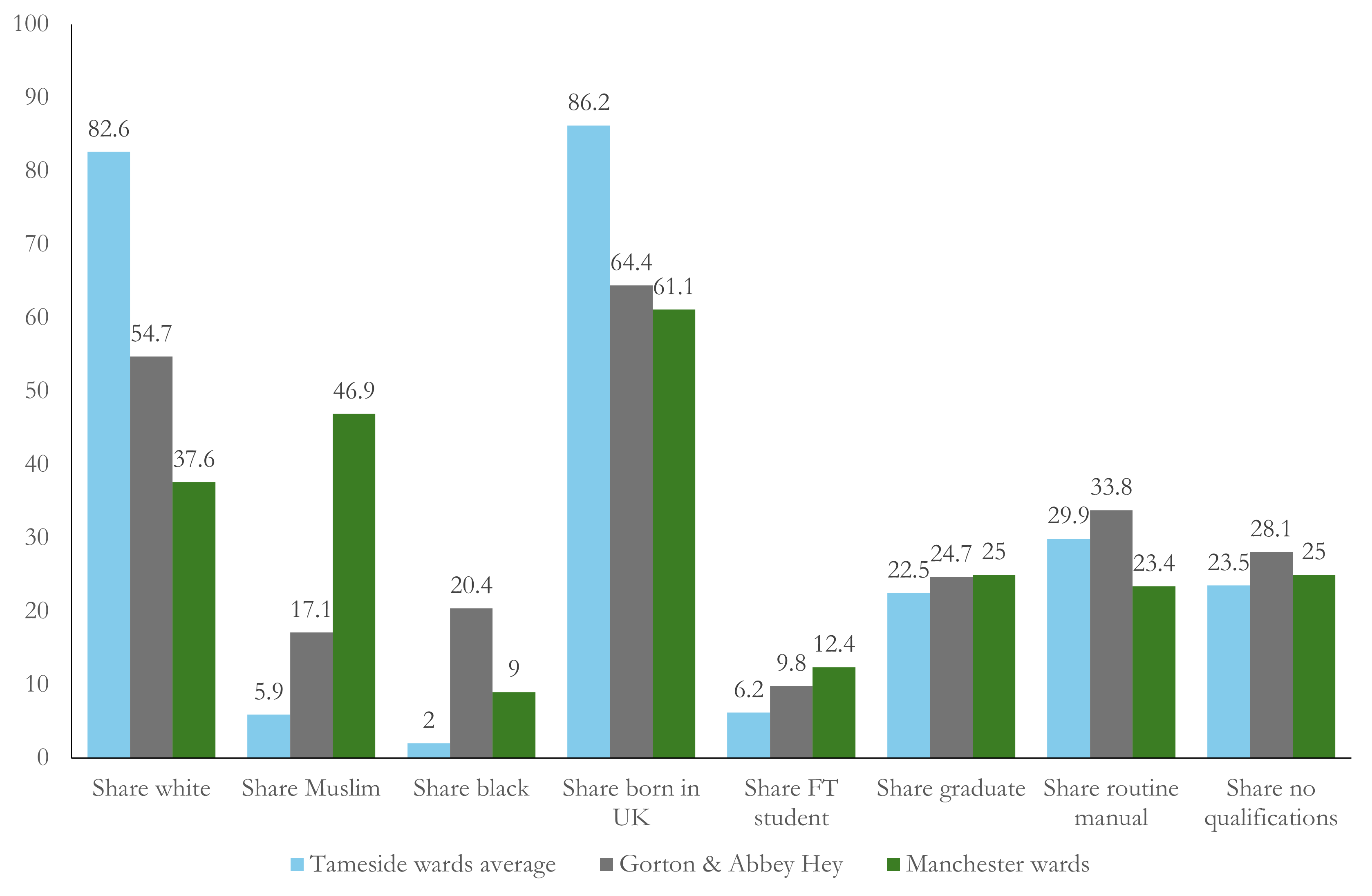
Gorton and Abbey Hey is a lot more ethnically diverse than the Denton wards - it is 55% white, and a third of the population is born outside the UK. But this diversity is different to the Manchester wards - there is a substantial Muslim population (17%) but also a large black population (20%). Initially, I decided this high ethnic diversity justified putting it together with the Manchester wards, but I wonder if that’s right. Black British voters are quite different to Muslim voters - appeals from the Greens on Gaza aren’t likely to interest them for example. Black British voters have recently proved to be one of the most Labour loyal groups. So the substantial black community in Gorton and Abbey Hey ward adds another wrinkle to this contest.
Gorton is also different in other ways, as Jack Walton’s Mill seat profile captured vividly:
Unlike the gentrifying parts of the Manchester-wing (such as Levenshulme), few would consider Gorton an upgrade on Denton. Don Berry tells me that before he was born, his father moved from Gorton to Denton, which was a move in the right direction, Gorton having dinky terraces, Denton boasting its up-in-the-world semis.
This remains broadly true. Denton is still largely working-class aspirational, its suburbs considered mostly pleasant, its town centre able to sustain an Ornella’s — a hole-in-the-wall Italian selling lobster ravioli. On the two-mile stretch of my walk that links the two, I pass Denton Golf Club. There is no Gorton Golf Club.
These differences come through in the demographic data. Gorton has a higher share of people doing routine manual work than any other ward in this seat, and a higher share with no qualifications. It has a lot of social housing and private renters, and few home owners. But it also has a lot of students (10% of the population), perhaps due to the cheap rental housing, and a very diverse population in terms of ethnicity, religion and birthplace. These two defining aspects of Gorton & Abbey Hey - deprivation and diversity - may pull it in opposite directions politically in this campaign.
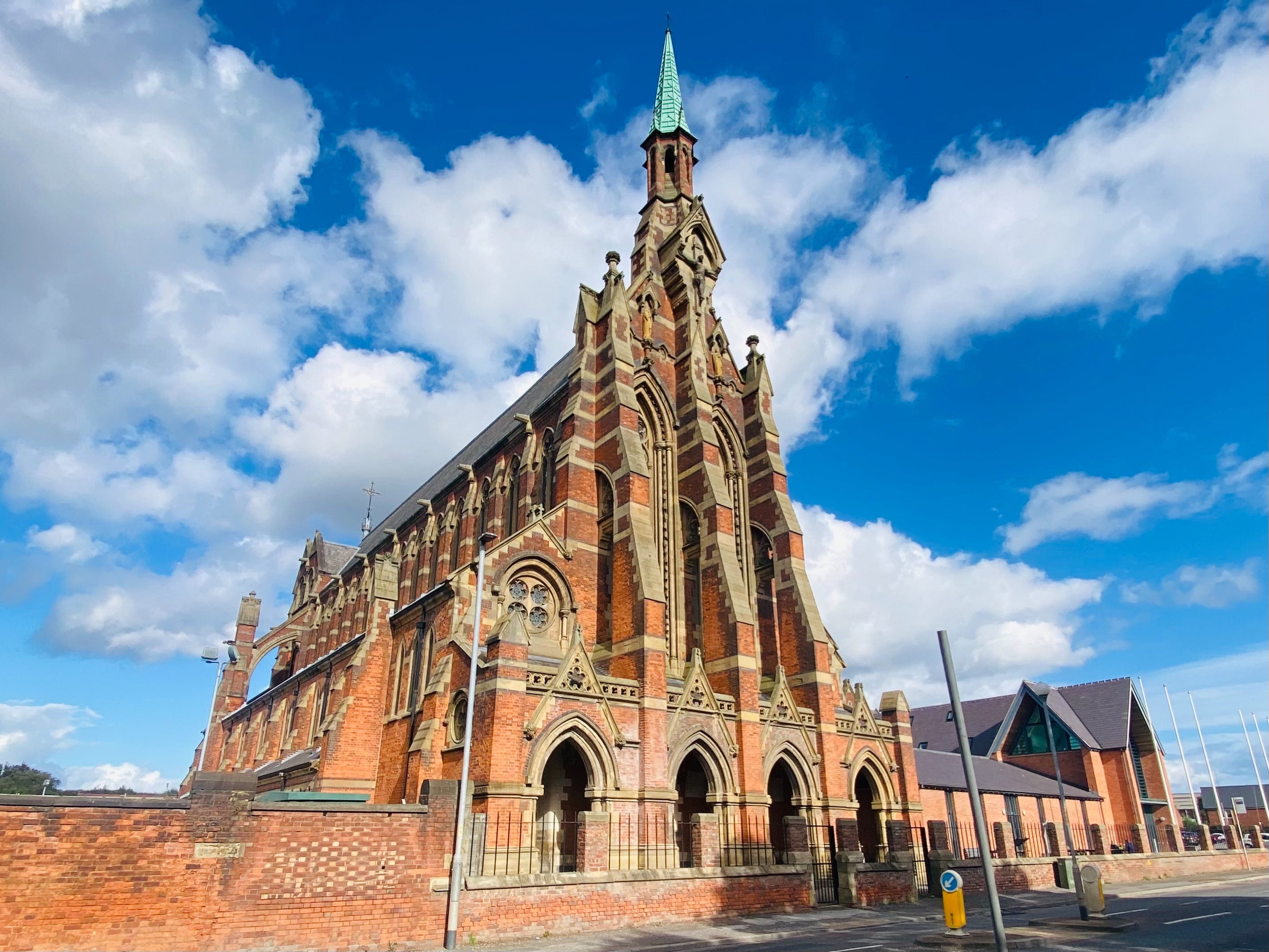
Pugin’s Gorton Monastery. What would the monks have made of all this?
On the other hand, Gorton’s electoral history suggests little affinity for the right. Labour have won two thirds of the vote or more in recent contests, with the Lib Dems (whose by-election contender is a perennial candidate in this ward) and the Greens providing the main local opposition. The Conservatives have polled in single digits, and Reform haven’t stood, though UKIP stood in the seat in 2019 and in its predecessors in 2014-16. The previous Farage outfit got 12-22% in its various outings, suggesting some sympathy for the radical right, albeit considerably less than in other, less diverse bits of Greater Manchester at the time. Gorton today is likely quite a bit more diverse than a decade ago, which may erode the constituency for Reform but could also intensify the appeal of Reform (and its very anti-diversity, anti-immigration candidate) among white voters unhappy about the changes they are seeing in their area.
Gorton and Abbey Hey may prove to be the hinge on which the seat turns. Perhaps the Greens can find an economically populist message to appeal to disaffected voters in this area, complementing the rather different appeals they will be making to Muslims, studends and graduates in the Manchester wards. Perhaps residual loyalties to Labour will be strong enough among Gorton’s substantial black community and some of its white voters to provide the incumbent with a crucial counterweight to Green losses elsewhere. Or perhaps Gorton’s poorer white voters could provide Reform with the critical mass they need, and are unlikely to get from the Denton wards alone.
Whatever happens, if the result is close enough to be driven by how Gorton breaks, it would seem appropriate if the outcome of this tale of two Manchesters turns on the one ward which doesn’t quite fit either story.
Here it is, your moment of Manchester Zen…
Hollywood star Jason Momoa was in town over the weekend. No word on his preferences in the Gorton and Denton contest, but he did pay tribute to the seat’s most famous sons by performing an Oasis cover which absolutely slaps. Enjoy!
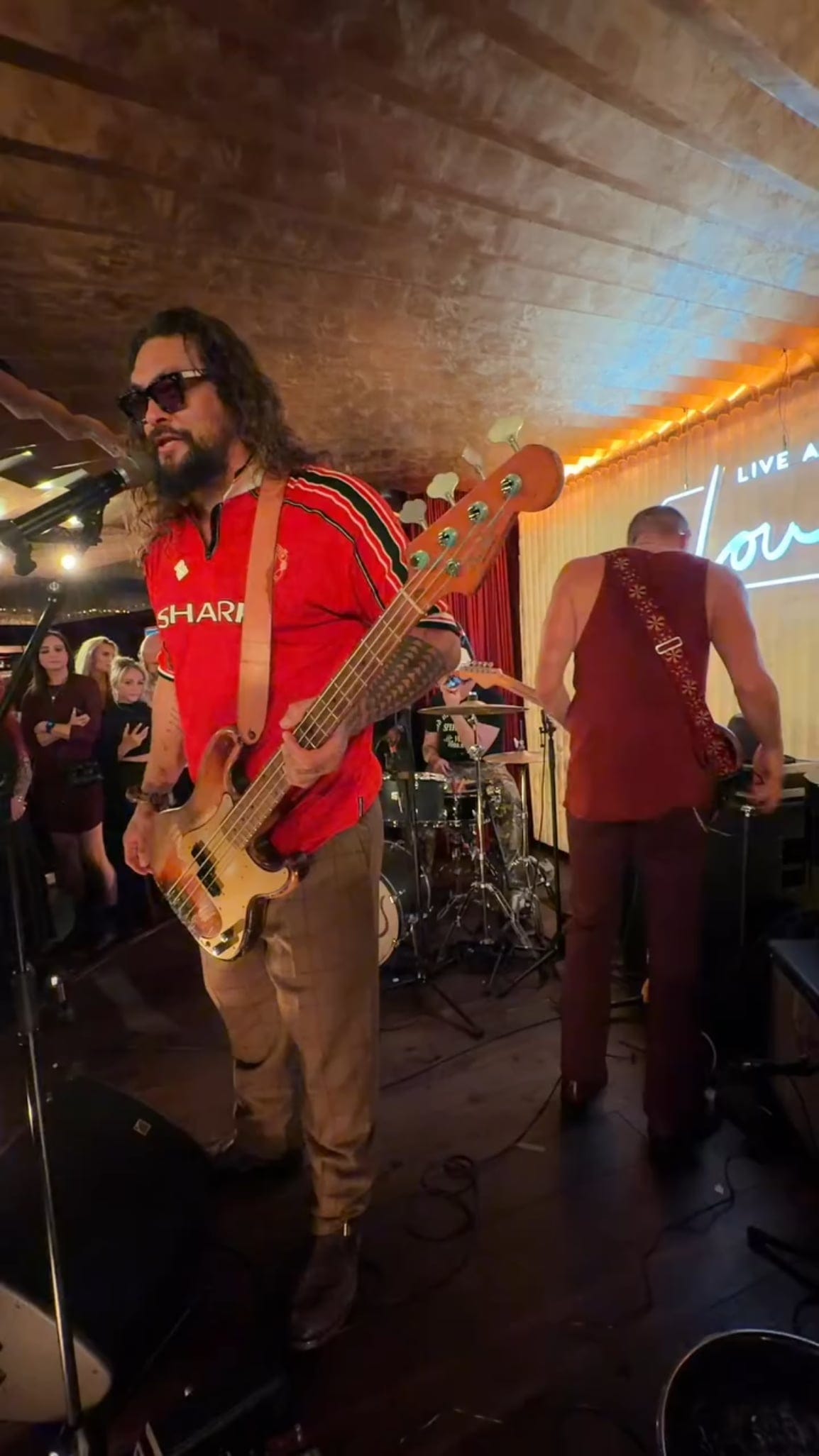
Not sure about the shirt choice though
Whalley Range is 42% white, 37% Muslim and 49% graduate.
Something the Reform candidate is well aware of, as he spoke at their conference in 2023, saying “I really like what I’m hearing today, the SDP are at the sweet spot of British politics.”
A “minarchist” party with a minimal vote - their best by-election performance to date is 38 votes.
However, the Lib Dem candidate Jackie Pearcey does have a lot of experience campaigning in Gorton and Abbey Hey. As one reader advised me, she represented the old Gorton North for 21 years from 1991 to 2012 and has stood for her party in the new ward in every election since its creation in 2018. She is also very likely the only candidate on the ballot with a doctorate in nuclear physics.
A little bird (or rather a wise old electoral owl) tells me that the Rejoin EU candidate, Joseph O'Meachair, is the man who, as Joseph Meagher, captained Manchester University to a University Challenge title in 2005-6 when he was studying in my very own Politics department (though before I arrived there). This was the first of four wins in eight years for the University, a run of Manchester dominance more typically associated with the football field.
This is presumably a Simpsons reference
The problem here is not necessarily unreliable data collection. Parties often have excellent canvassing, polling and data analysis. The problem is unreliable data communication. Parties will only share information that furthers their cause. If the canvassing or private polling looks bad, we won’t hear about it.
I feel the outcome may well lie in how the fringe parties poll. The general election had 6 candidates, the workers not standing, so 5 now, but it’s 11 including those without any hope. I’m personally not over concerned, as long as Reform and the abhorrent Goodwin lose preferably very badly, I’ll be pleased. This constituency doesn’t need the divisive rhetoric of Farage and Reform, this country needs to be together as one, not divided into the us and them Reform wants, we don’t need to mirror America.
I work nearby and travel through it every day and Gorton is a really interesting and quickly diversifying area in lots of ways. My impression, totally anecdotal (!) but resonating with some of the demographic stats, is that Gorton and parts of East Manchester into Tameside (Droylesden) is that there is an increasingly large African diaspora in this area. I would guess that some of this is formal (showing up in the stats) and some informal. I have no idea which way the Manchester African community would vote, I'd assume some is socially conservative, some not. Would be interested in knowing if this intuition is correct on which way these communities might lean